Pine and oak are the two woods most people choose for a staircase. Both make a handsome, long-lasting stair, but they look different, feel different and suit different budgets and finishes. This guide compares them honestly so you can pick the one that fits your home.
The short answer
- Choose pine if you plan to paint your stairs, want to keep the cost down, or will cover the treads with carpet.
- Choose oak if you want a natural wood finish, a hard-wearing tread, and a premium look that ages well.
- You can mix them, for example oak treads with painted pine or MDF risers and strings.
Pine
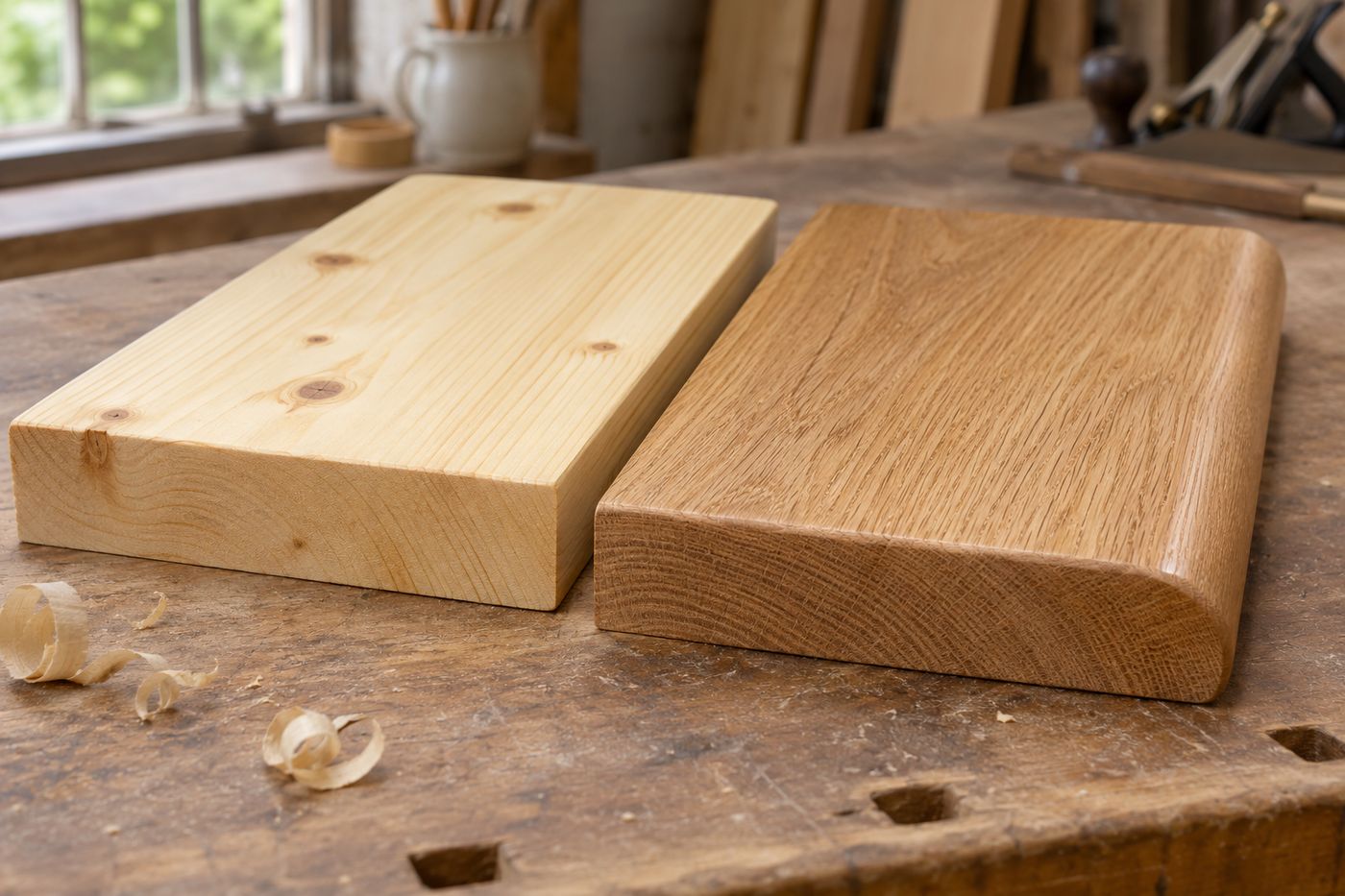
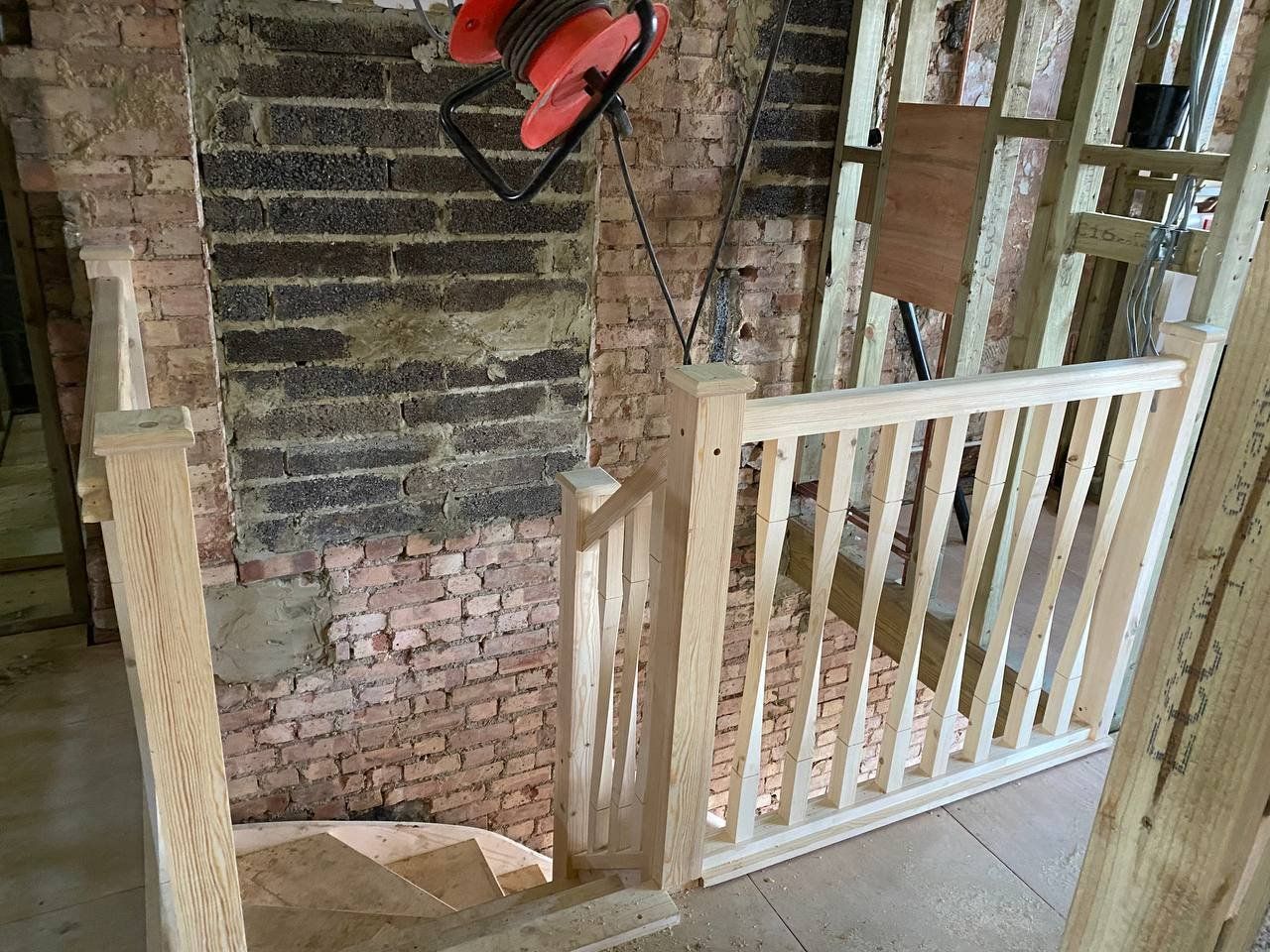
Pine is a softwood. The pine we use is pine redwood, a light, creamy-yellow timber that warms to a honey colour over the years. It is easy to machine and takes paint well, which is why it is the usual choice for a white or painted staircase.
Strengths
- Usually the more affordable wood
- Excellent for painting, and available primed in our shop
- Light and easy to handle and fit
- Strong enough for a family staircase when built properly
Things to know
- It is softer, so it dents and scuffs more easily, especially on treads in a busy home.
- Knots and resin are part of the character. They can show through light paint if the wood is not properly prepared.
- It can look blotchy when stained, so painting or clear finishes are safer.
Oak
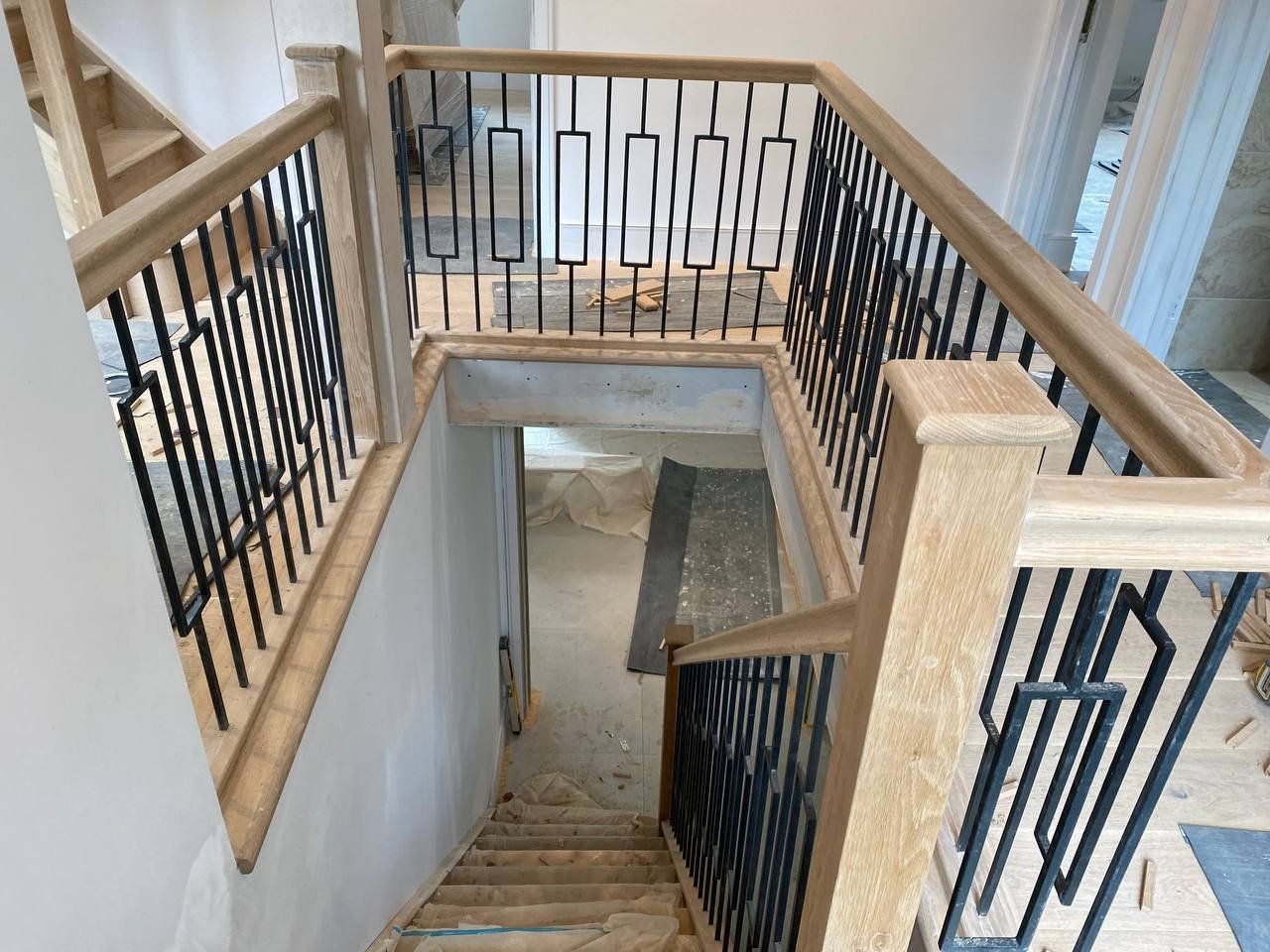
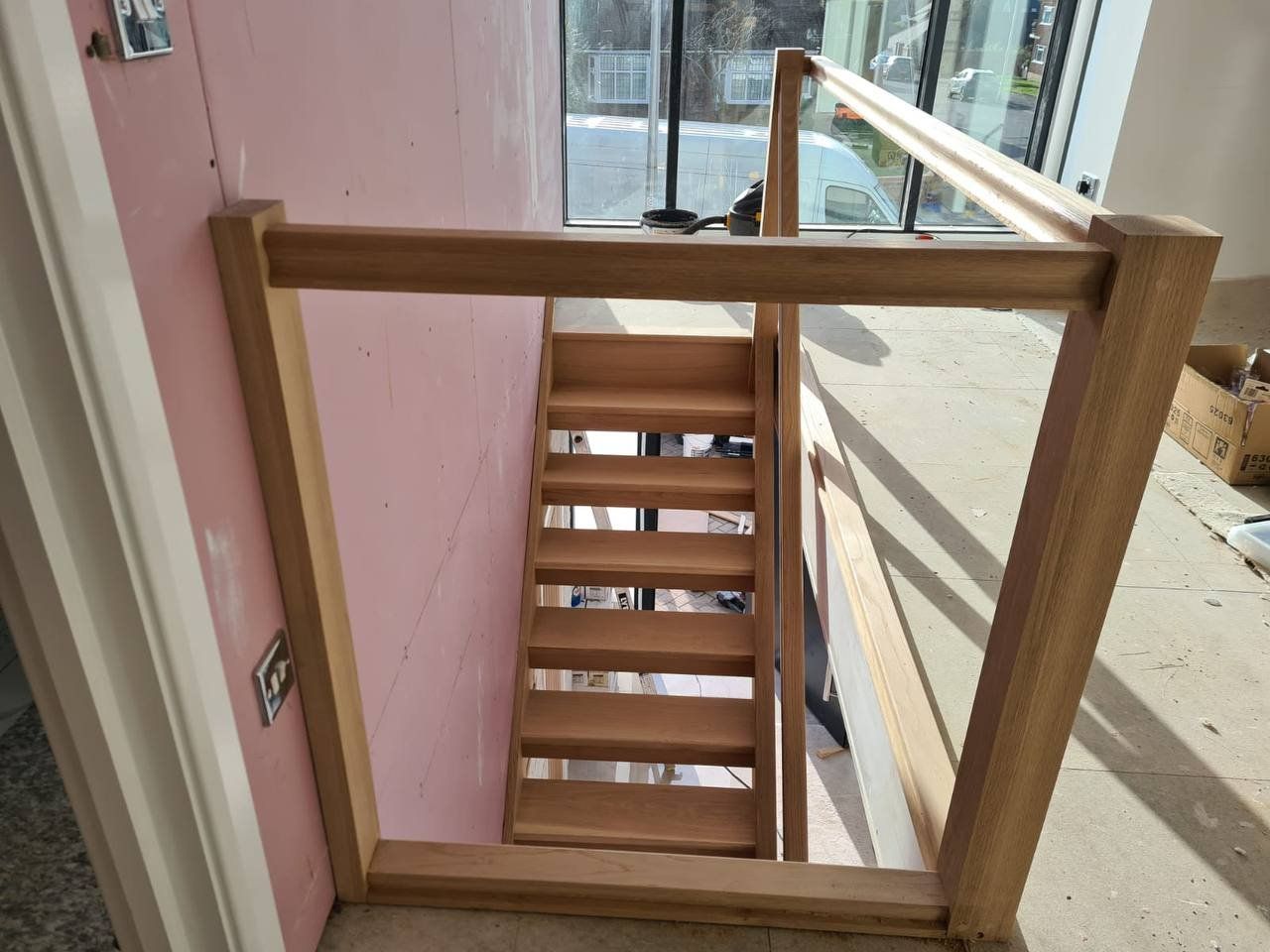
Oak is a hardwood, roughly twice as hard as pine. It has a distinctive open grain and a rich golden tone, and it takes oils, hard-wax oils and lacquers beautifully. On the site, you will see two kinds: solid white oak for posts, handrails, baserails and spindles, and engineered white oak for treads, risers and stringers. Engineered oak has a real oak face bonded to a stable core, which helps wide boards stay flat.
Strengths
- Hard-wearing, so treads cope well with daily traffic
- Rich natural grain that needs no paint
- Ages gracefully, and a worn finish can be refreshed
- Adds a high-end look to a hallway
Things to know
- It costs more than pine.
- It is heavier to handle.
- The tone varies from board to board, which is natural, and some people like to see the variation.
Side by side
| Pine | Oak | |
|---|---|---|
| Type | Softwood | Hardwood |
| Colour | Pale cream, mellows to honey | Golden to light brown |
| Grain | Straight, with knots | Open and pronounced |
| Resistance to dents | Lower | Higher |
| Best finish | Paint, or a clear coat | Oil, hard-wax oil, lacquer, or stain |
| Cost | Lower | Higher |
| Ideal for | Painted stairs, carpeted stairs, budget builds | Natural finish, busy homes, a premium look |
How to choose
Consider the finish you want
If you are painting, pine or MDF is the sensible choice because oak’s grain would be hidden under the paint. If you want to see the wood, oak is better, especially for treads.
Think about wear
Treads and nosings take the most punishment. If you have children, pets or lots of traffic, oak treads will keep their edges longer. Handrails and spindles take less wear, so pine is a fair choice for them.
Set a budget
You do not have to build every part in the same wood. The designer lets you choose the material for the stringer, tread, riser, spindle, post, newel cap, handrail and baserail separately, and shows the price change as you go. A common budget-conscious mix is oak treads and handrail with painted pine or MDF for the rest.
Match what you have
If your floors and doors are oak, an oak staircase will sit comfortably alongside them. If your house is painted white throughout, a painted pine staircase may be the better match.
Cost and long-term value
Oak costs more up front, but it is also the wood that tends to look good for longest. Pine is the economical choice and is perfectly durable when it is protected by paint or a good finish. The honest way to compare is to price both: the designer shows the total for each material choice, so you can see exactly what the difference is on your own staircase before you decide.
How each wood ages
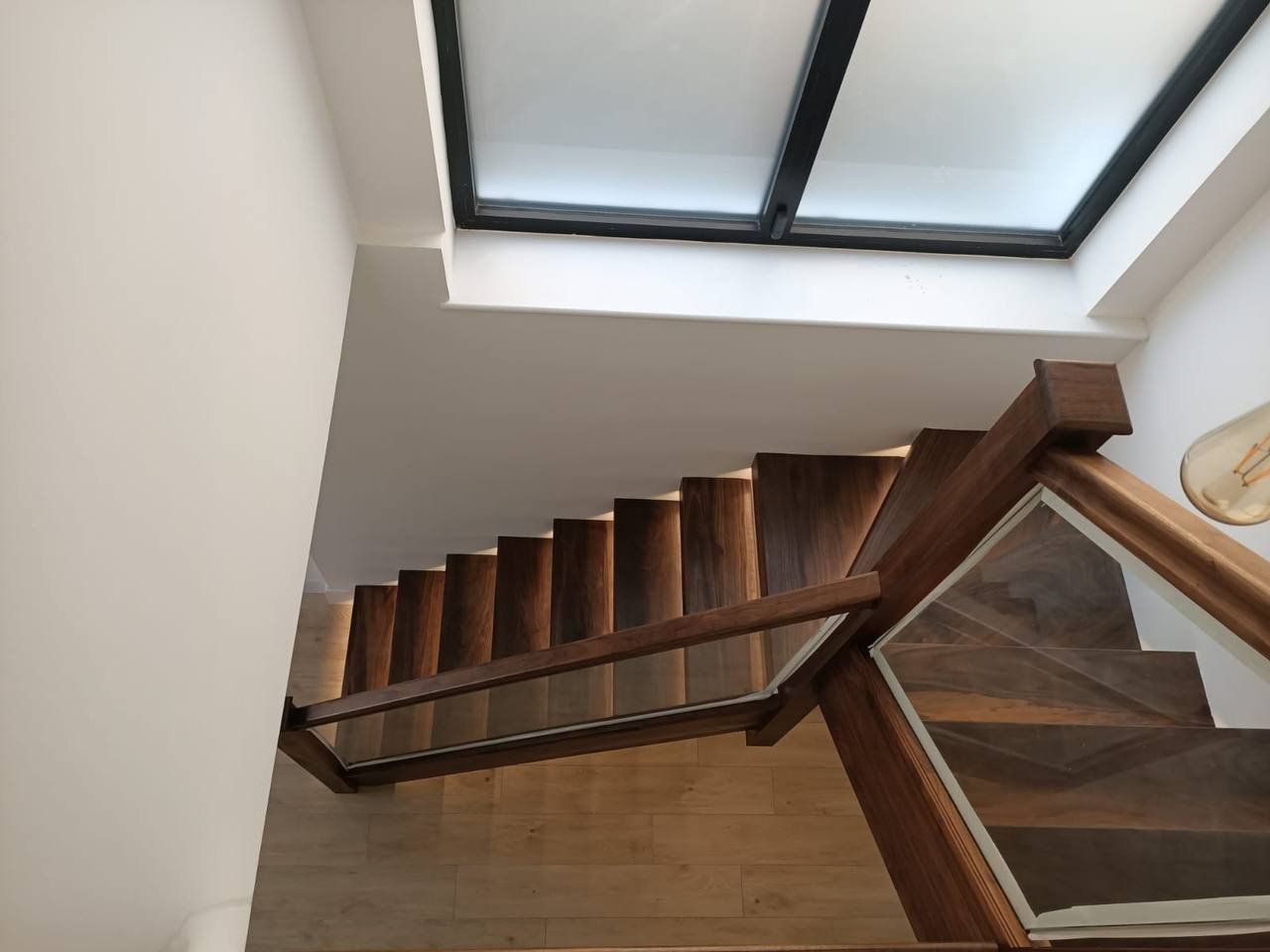
Pine slowly darkens to a warmer yellow, and softer surfaces such as treads pick up small marks. Under paint, those marks can be filled and repainted. Oak deepens in tone and develops a gentle patina. Because it is hard, it resists everyday wear well, and a worn oiled surface can be refreshed rather than replaced.
Popular combinations
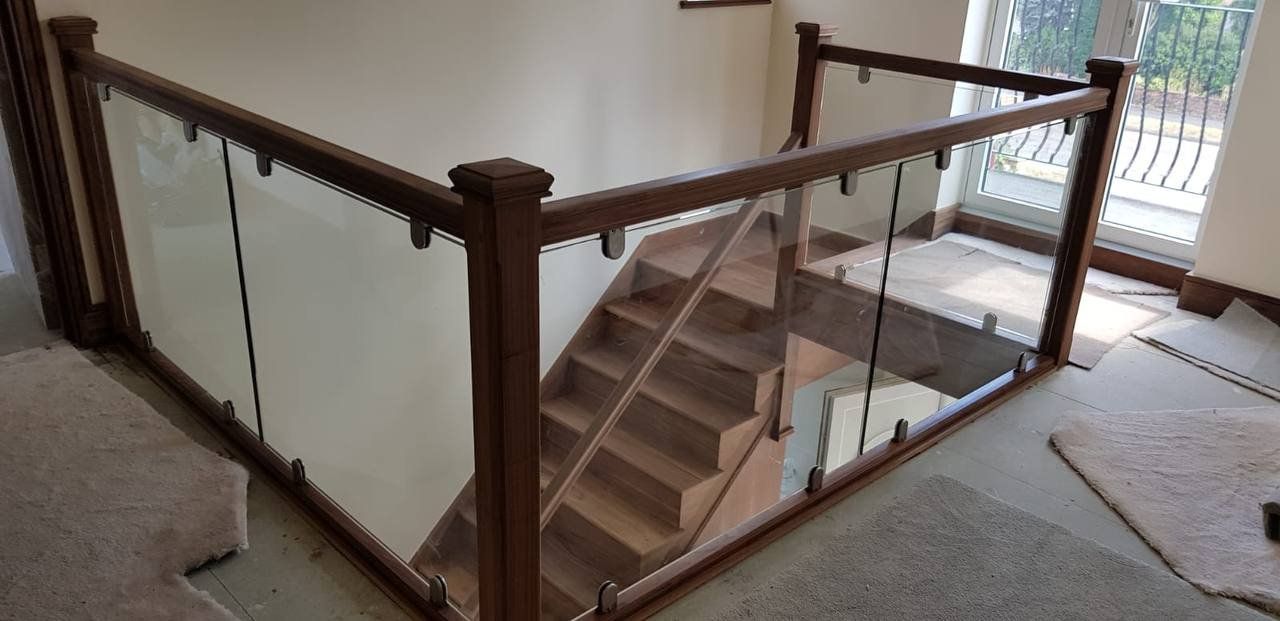
- All oak: oak treads, risers, strings, posts, handrail, baserail and spindles for a seamless natural look.
- Oak and paint: oak treads and handrail with painted pine or MDF risers, strings and spindles. It is a classic and keeps the cost sensible.
- Painted throughout: primed pine posts, rails and spindles with MDF or pine treads and risers, finished in one colour.
- Pine with carpet: pine strings and balustrade, with carpet covering the treads and risers.
Frequently asked questions
Can pine be made to look like oak?
Stain will change the colour, but it will not give pine the grain of oak, and pine can take stain unevenly. If you want the oak look, choose oak.
Can I paint oak?
Yes, but you lose the benefit of its grain and it costs more than pine, so most people paint pine or MDF instead.
Do I need different care for each wood?
The basic care is the same, but oiled oak needs re-oiling from time to time and painted pine needs touching up. Our staircase maintenance guide explains how.
Compare them in the designer. Switch between pine and oak in the Construction & Materials section of the 3D Staircroft designer and watch the price and the look update. You can also see real work in the gallery, or buy individual pine and oak stair parts.